Paiflow
Zaps for money — a visual builder for programmable payments on Stellar
Category: Systems & backend
Hackathon WinnerVisit the live site(opens in a new tab)
- Built with:
- Next.js 15
- React 19
- TypeScript
- Tailwind 4
- shadcn/ui
- framer-motion
- @xyflow/react
- zustand
- TanStack Query
- Zod
- Auth.js v5
- SimpleWebAuthn
- PostgreSQL 16
- Prisma 6
- Redis 7
- MinIO
- Resend
- Groq (Whisper + Llama)
- Stellar SDK
- Stellar Wallets Kit
- Soroban
- Rust 1.88
- soroban-sdk 22
- Node.js 22
- pnpm 10
- Playwright
- Vitest
- Sentry
- pino
- Docker
- Railway
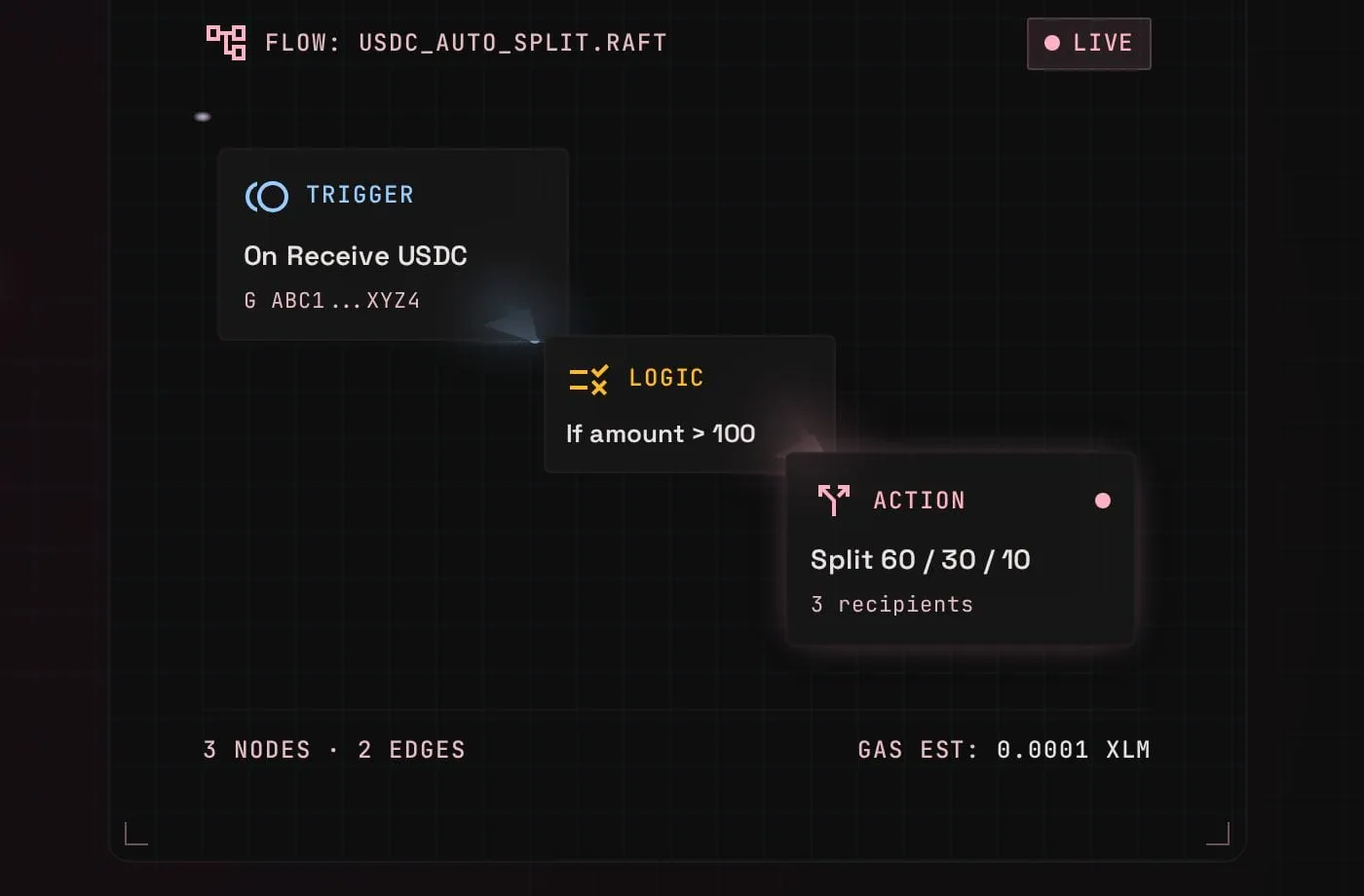
What it is
Drag triggers (On Receive USDC, On Schedule, Webhook, Subscription) onto a canvas, wire them to actions (Pay, Split, Stream, Payroll, Cash out), and deploy the flow as a live Soroban smart contract in under a minute. Deploys are non-custodial — the backend only prepares and simulates the transaction; the user’s own wallet signs it.
Value
Programmable payouts today need a rare Soroban/Rust developer or a closed SaaS that owns your rails and fees. Paiflow removes both: creators splitting revenue, MSMEs paying contractor pools, and OFWs automating remittances ship their own on-chain payment logic in around 90 seconds — keeping their keys, their funds, and audit-grade transparency.
Technology highlights
- Atomic factory deploys — deterministic CAP-46 child addresses; one
deploy_pipelinecall deploys and wires the whole flow graph from pre-audited Rust/WASM templates. - Raft Log voice AI — Groq Whisper and Llama turn plain English (“change Alice to 55%”) into a validated JSON patch applied to the canvas.
More projects
 Product & client work
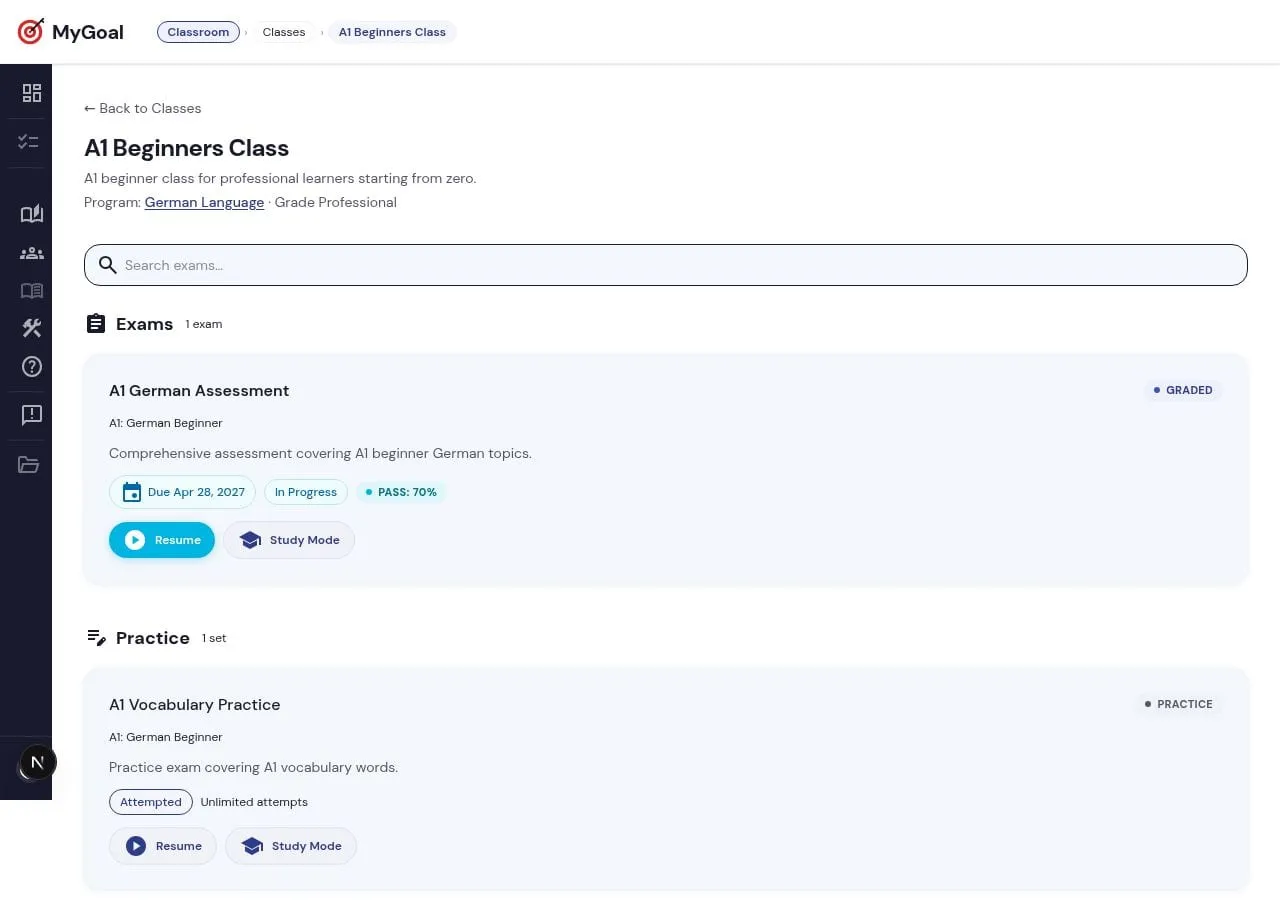
MyGoal
AI exam & classroom platform
 Product & client work
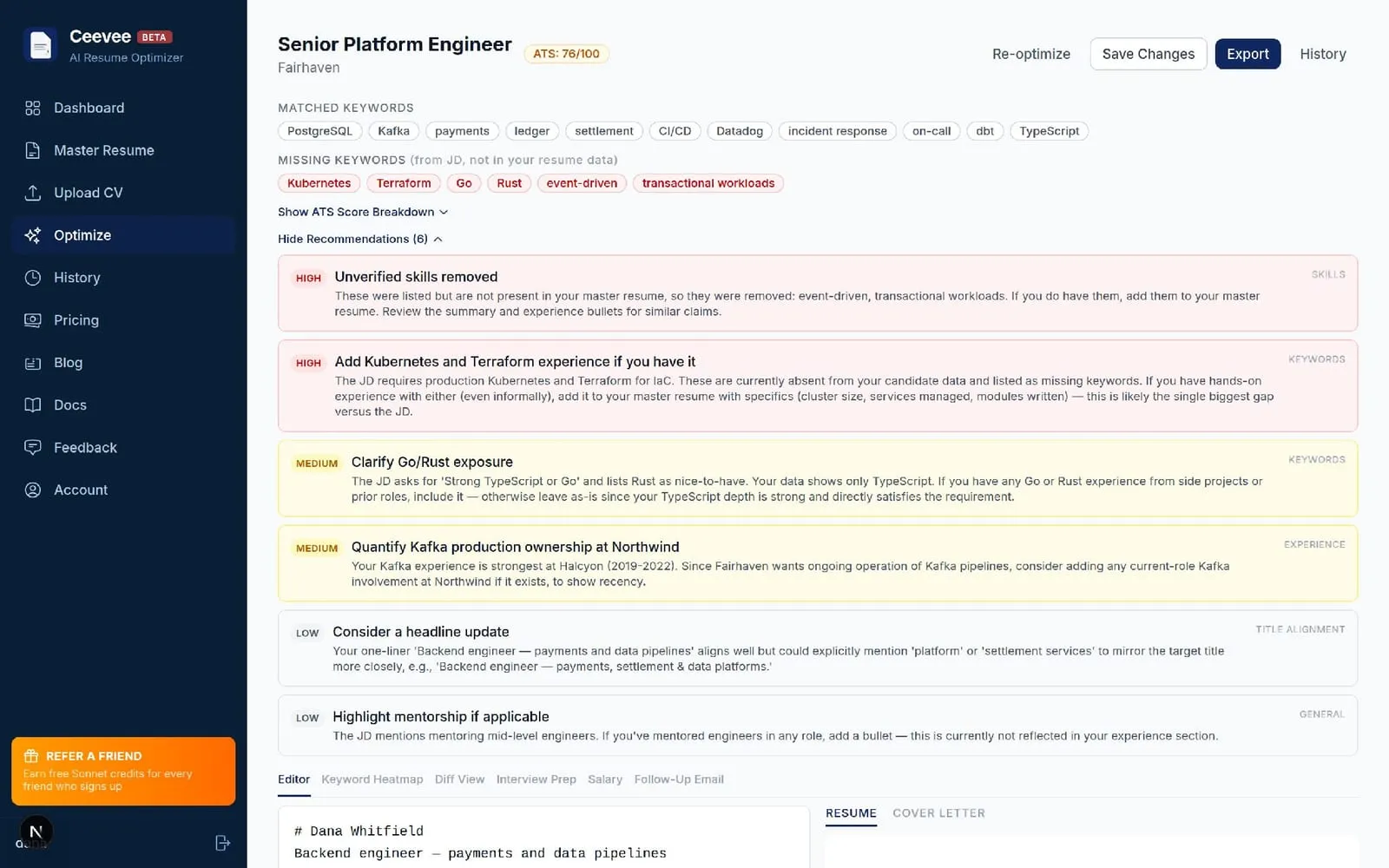
Ceevee
AI resume optimizer
 Product & client work
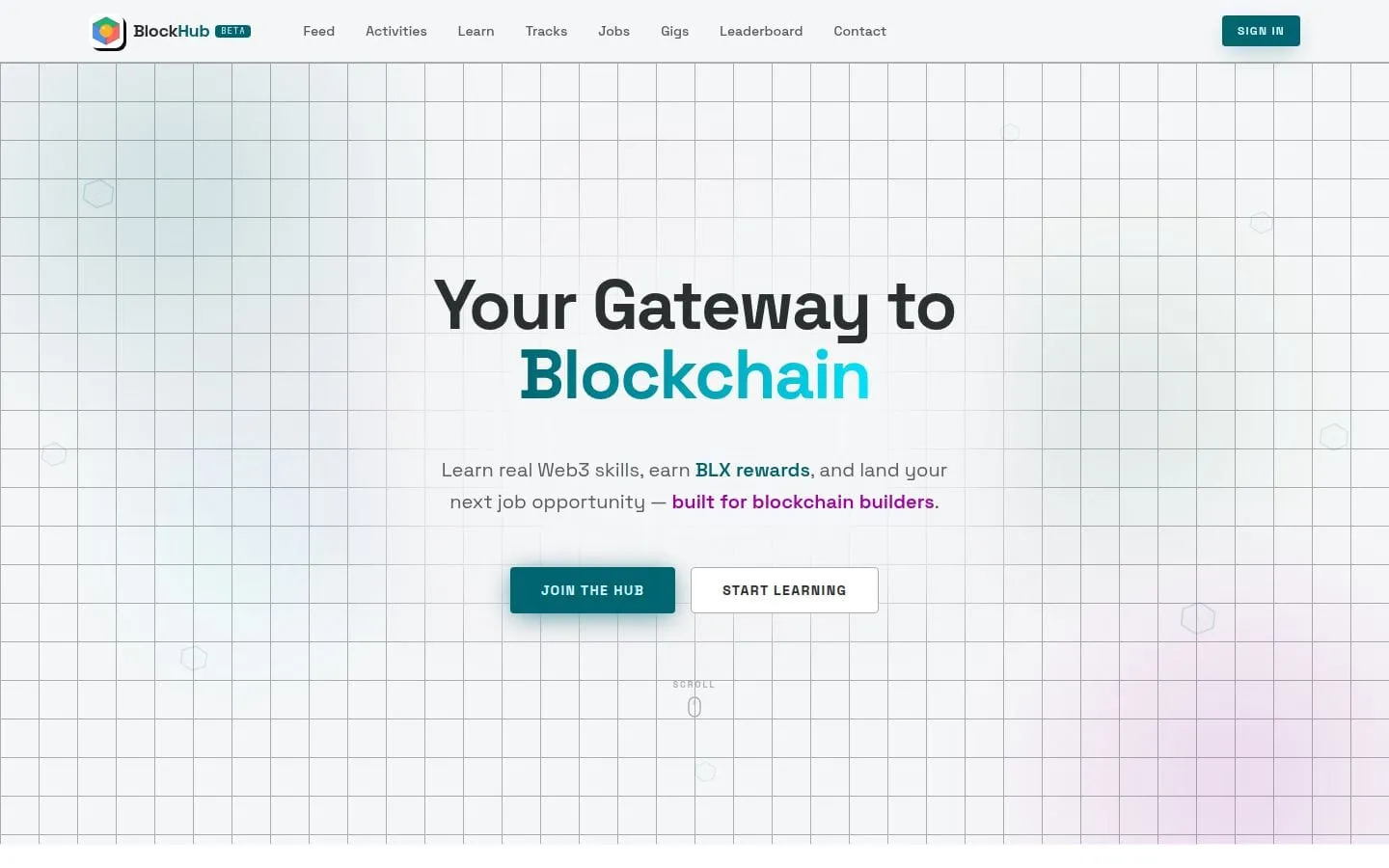
BlockHub
Blockchain & AI education platform
 Product & client work
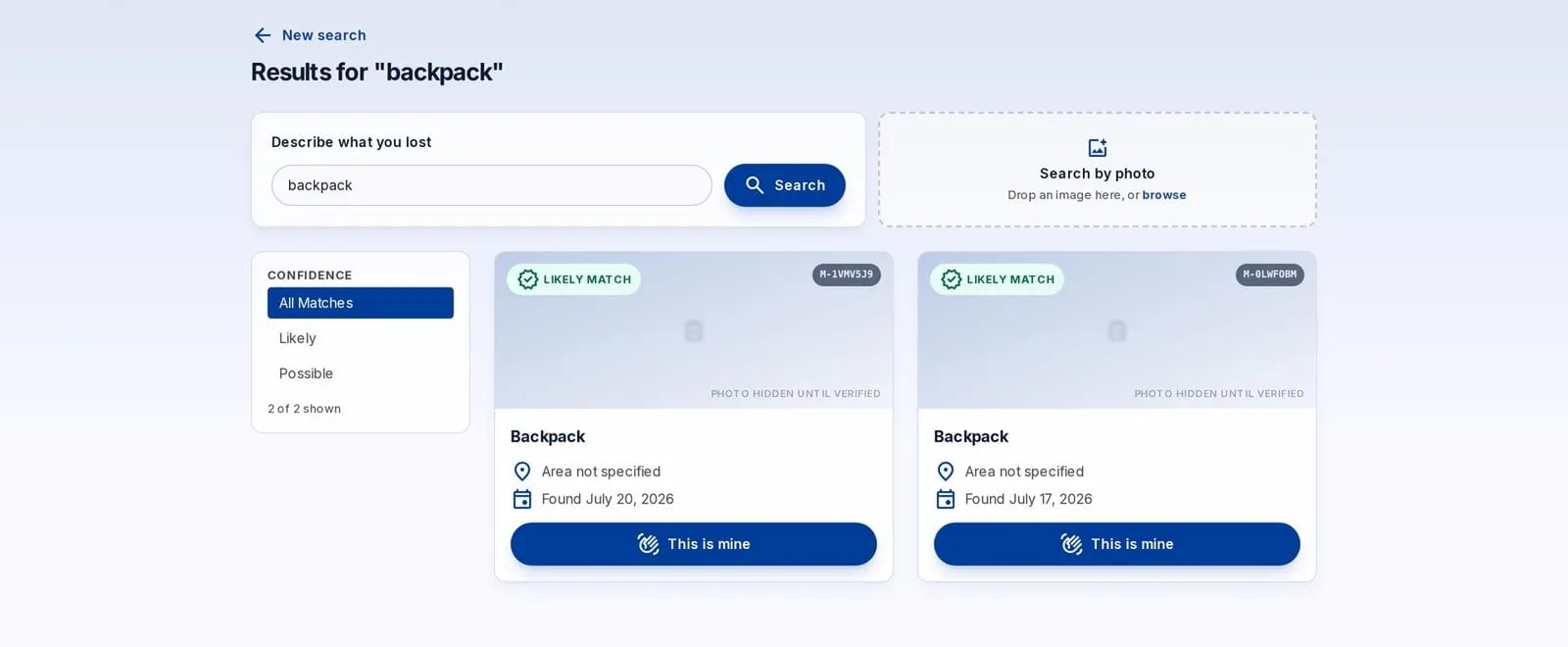
Back2You
Intelligent lost-and-found — multi-tenant, white-label deployments
 Infrastructure & tooling
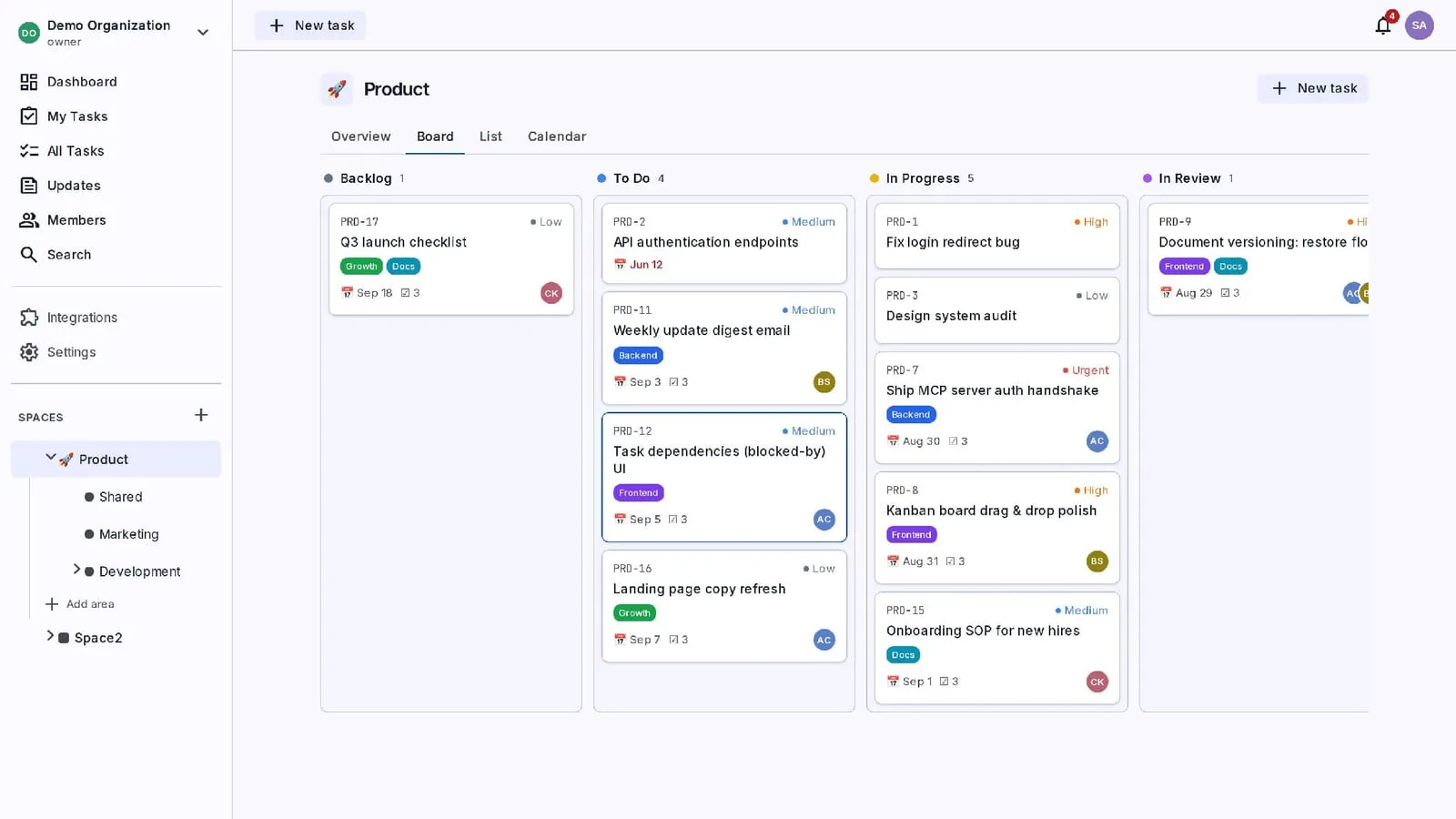
HiveBase
Self-hosted knowledge & work management for multi-company teams
 Product & client work
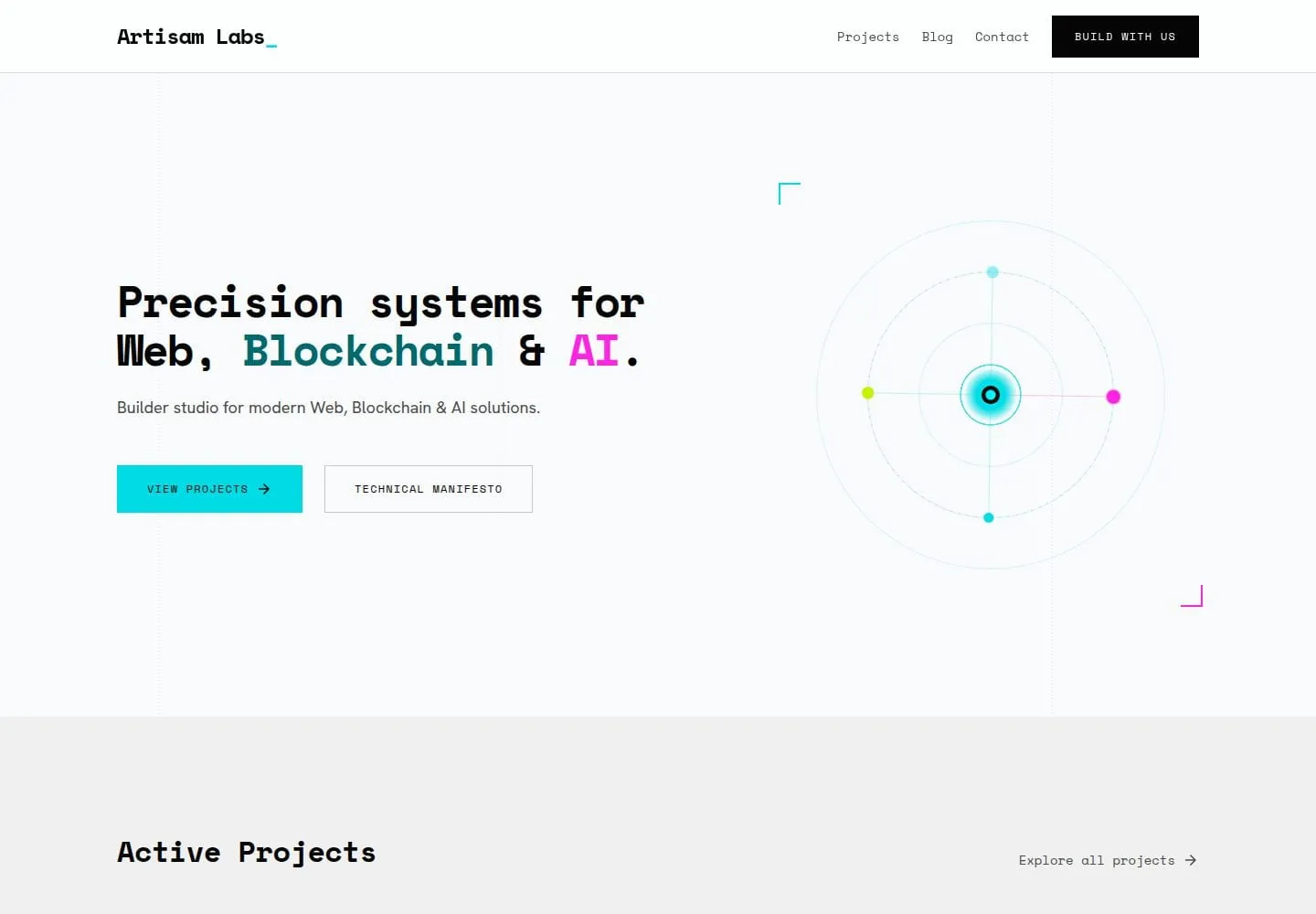
Artisam Labs
Builder studio site
 Systems & backend
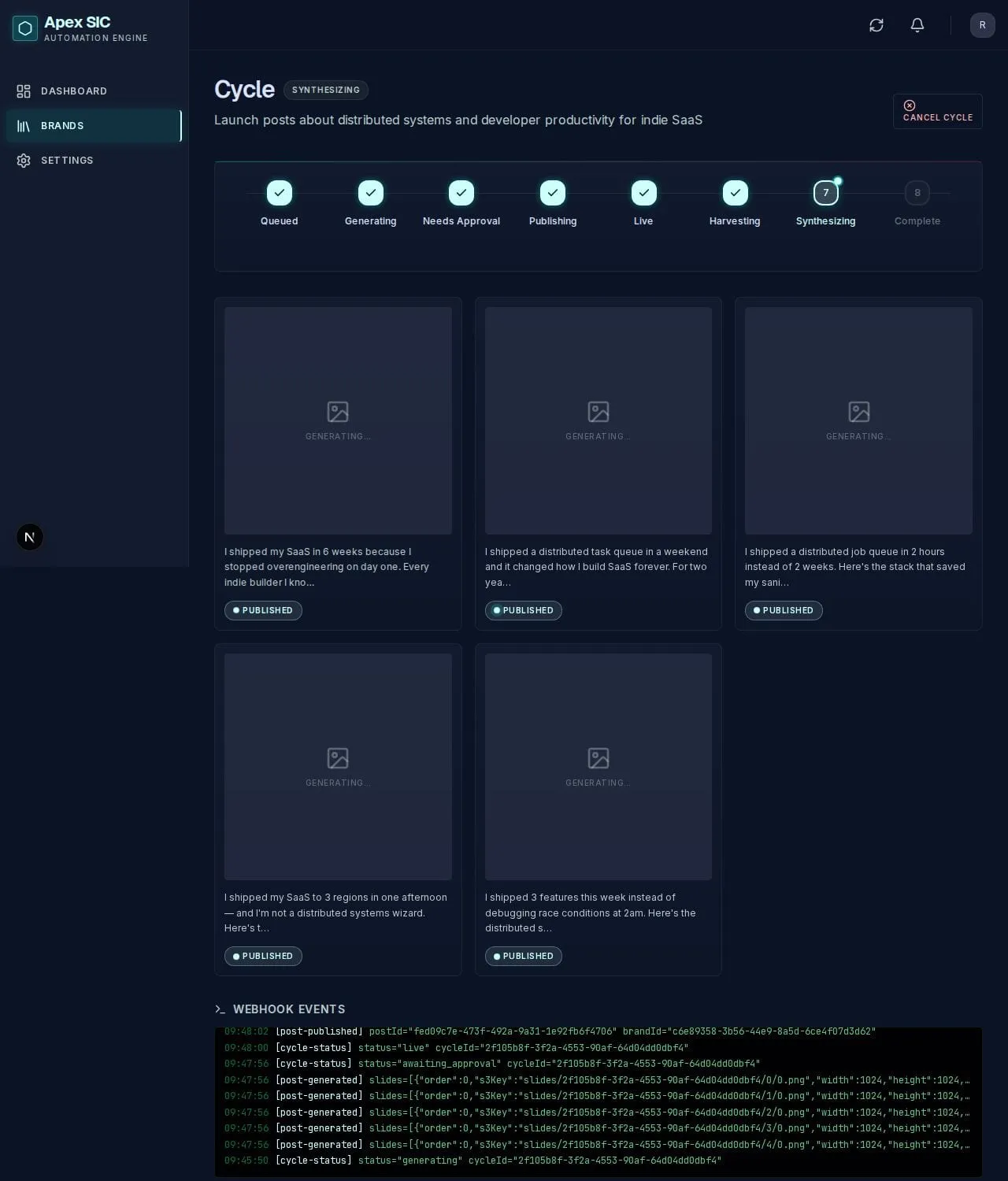
Project SIC
Self-improving content engine, multi-tenant SaaS
 Product & client work
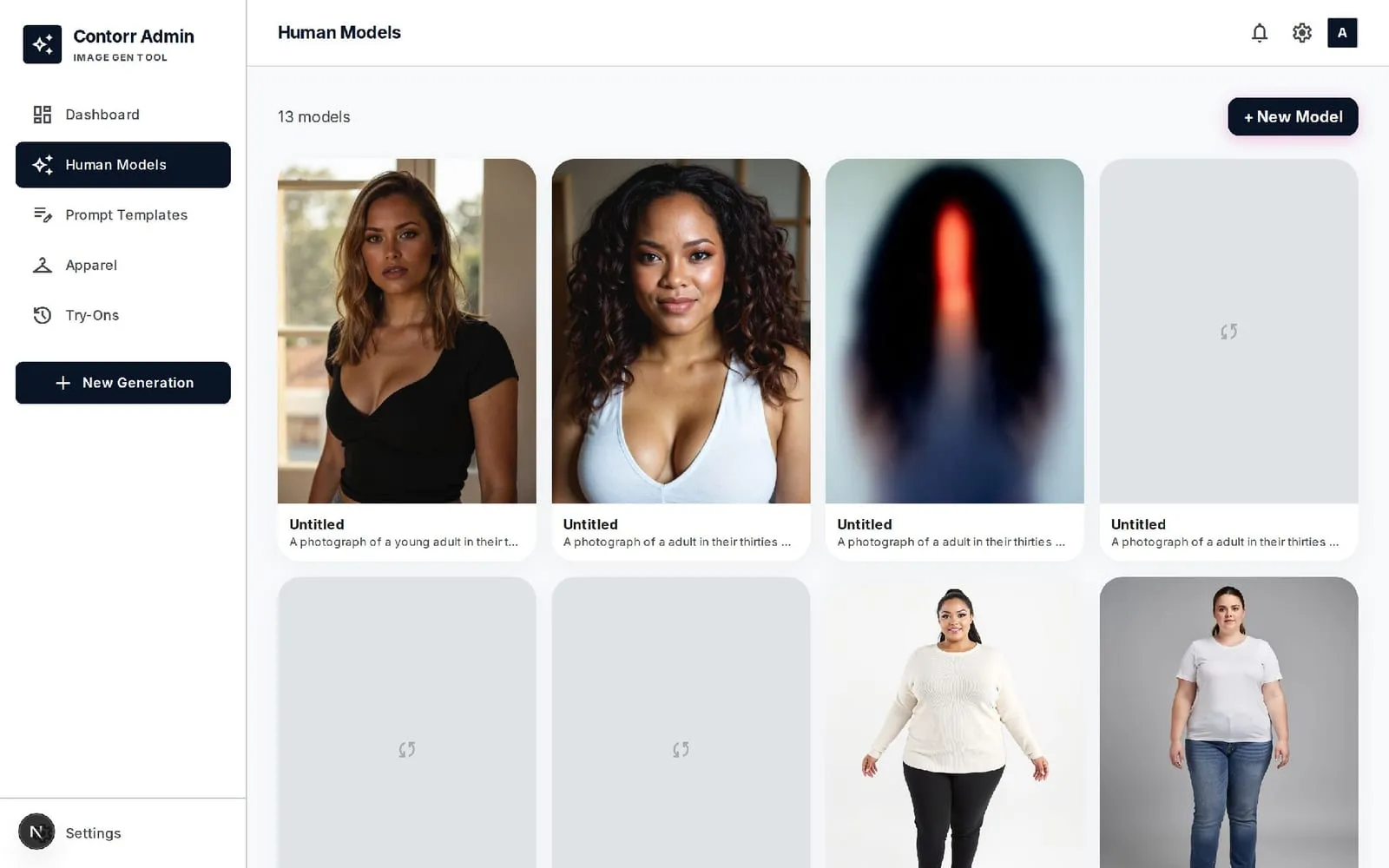
Project CIG
Contorr Image Gen — AI human models and virtual try-on
 Product & client work
The BLOKC
Marketing site for the Philippines' longest-running blockchain education organization
- Hackathon Winner
 Systems & backend
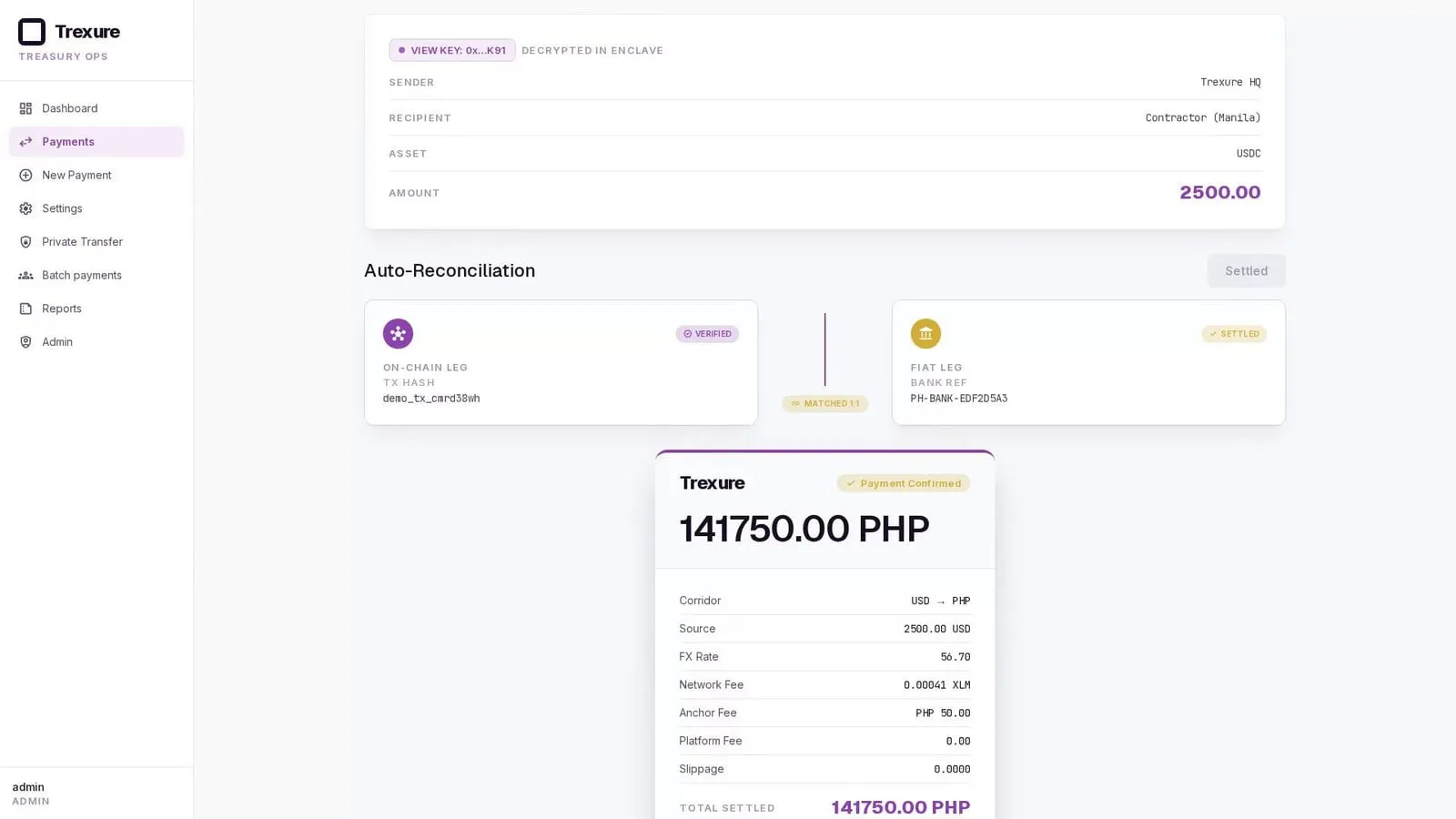
Trexure
Unified treasury API for Stellar
- Hackathon Project
 Systems & backend
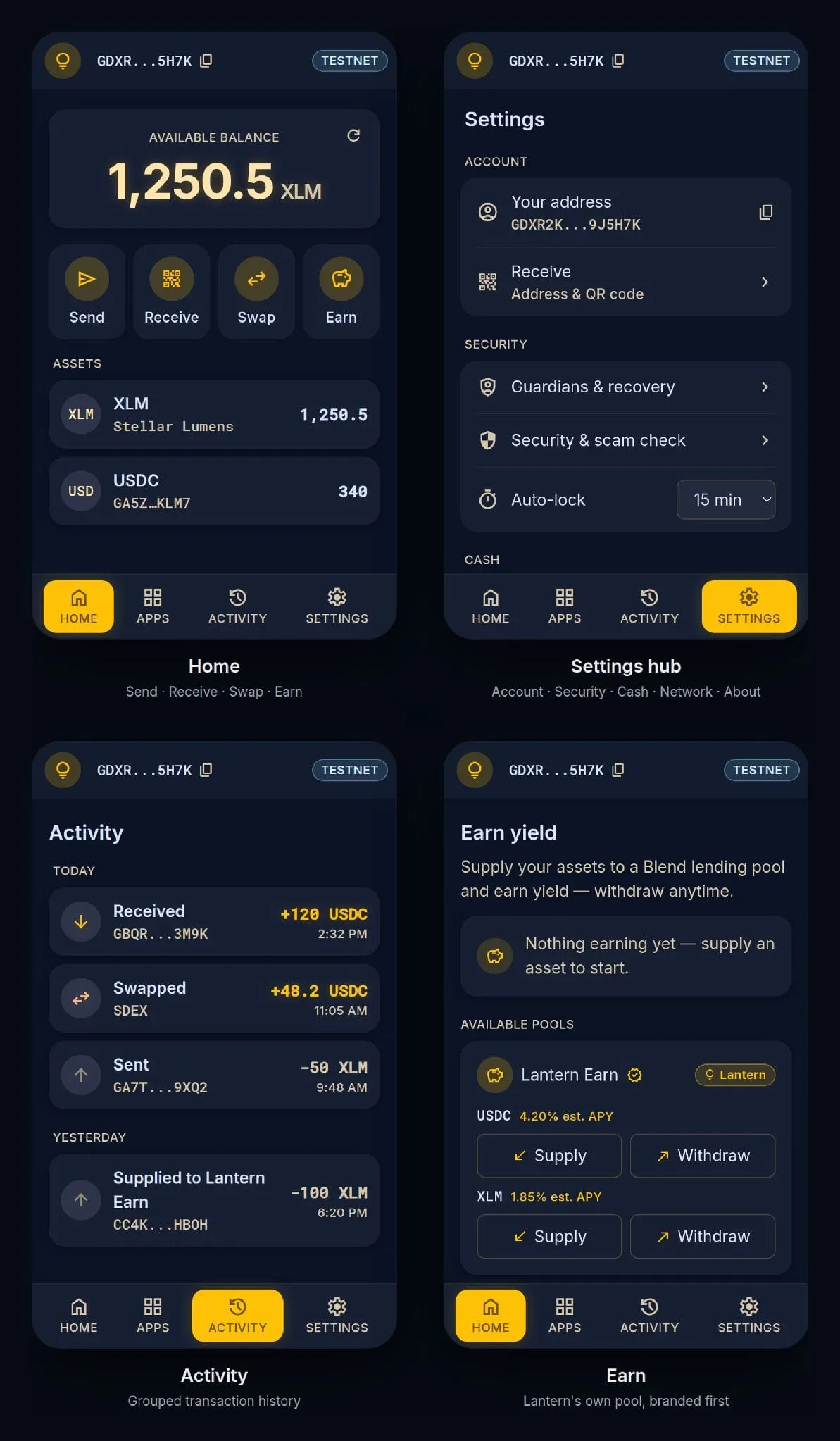
Lantern
The security-first Stellar wallet — Chrome MV3 extension and Android
- Hackathon Project
 Product & client work
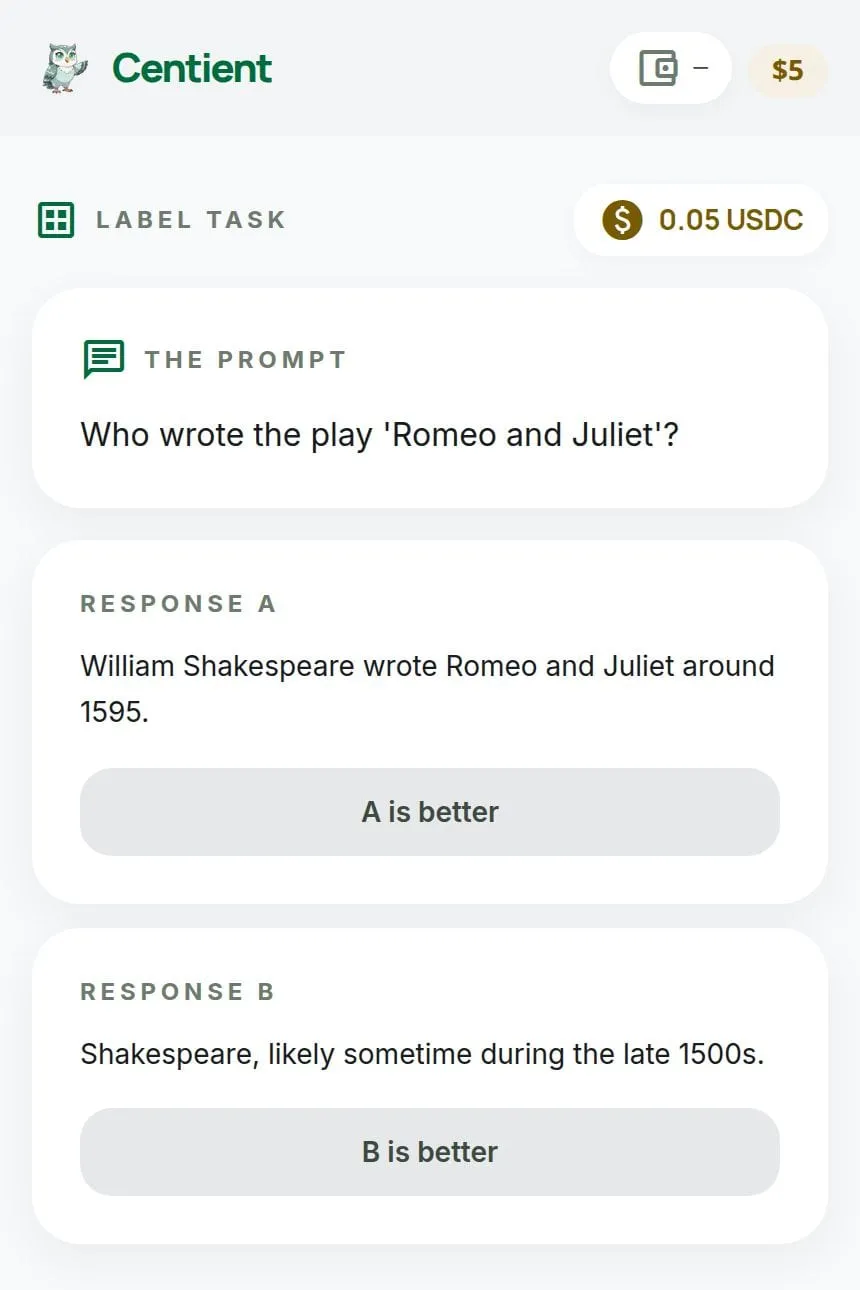
Centient
Train AI, cent by cent
- Hackathon Winner
 Systems & backend
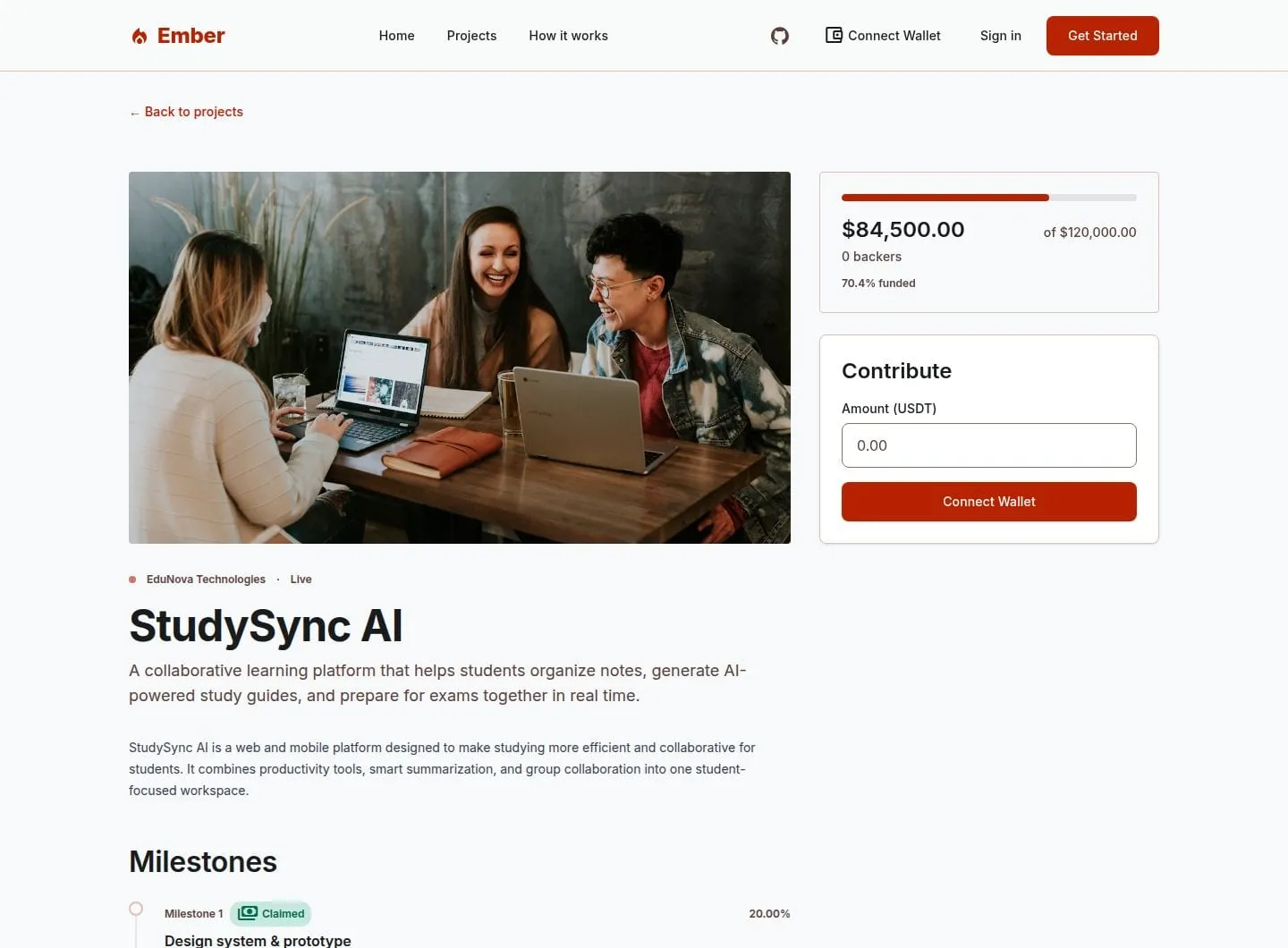
EMBER
Milestone-based crowdfunding on Morph L2